



Having spent a lot of time looking at how digital entertainment can complement patient care, the idea of utilizing games like Diamonds Power Slot within hospital support systems strikes me as a compelling one https://holdandwin.net/diamondspower/. I aim to explore how understanding hospital visiting rules, alongside having an engaging slot game to hand, can both help create a better experience for someone stuck in a hospital bed in the UK. This is not simply a list of do’s and don’ts or a review of one game. It’s about considering anew how we aid people during a hospital stay. I’ll outline the details of visiting policies, consider why distraction helps, and see how a well-made game can offer comfort and a mental break. My goal is to paint a picture of what modern patient support can look like, where standard care and thoughtful entertainment meet, all with an eye on what’s workable and what helps someone feel better.
Presenting Diamonds Power Slot and Advanced Patient Support
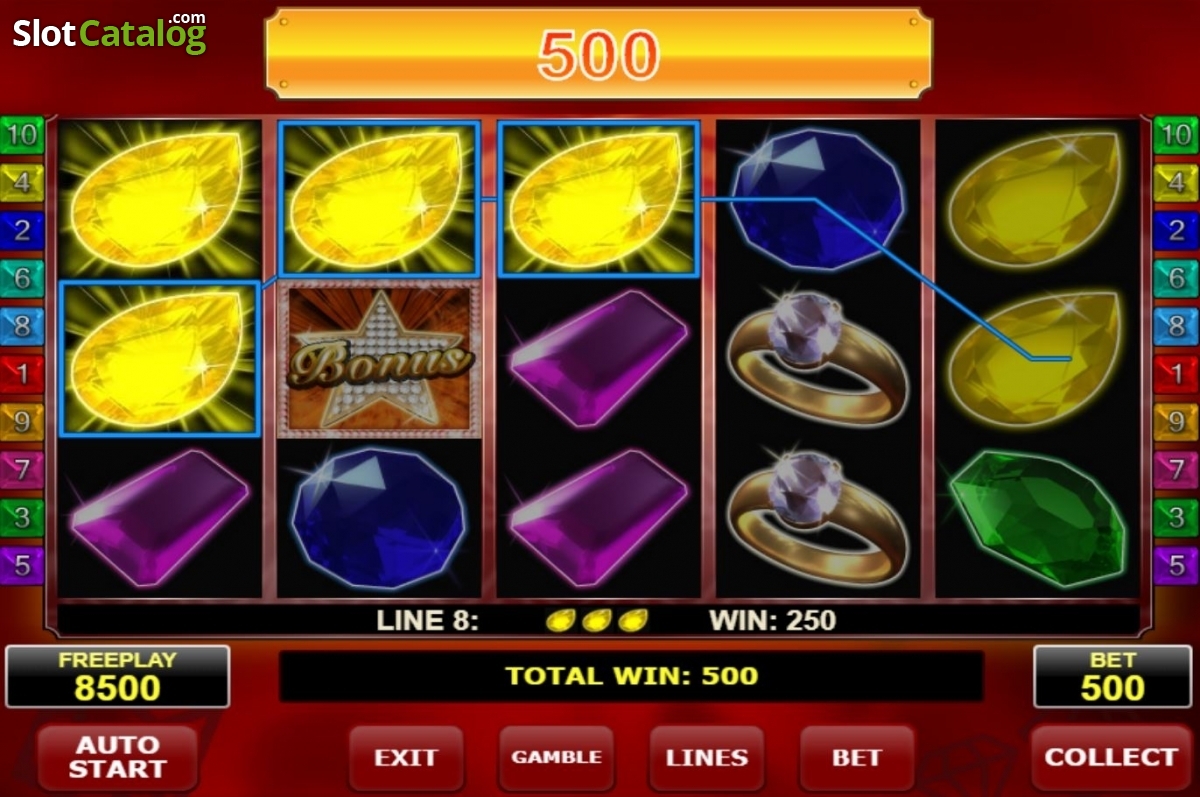
Consider patient support in a hospital, and most people picture medicine and family visits. But support also encompasses mental and emotional health. This is where a game like Diamonds Power Slot comes in. With its hold and win mechanics and sparkly diamond theme, the game is not just a way to spend time. It provides a structured, engaging escape. In a healthcare setting, particularly during long waits or when visitors can’t come, this kind of digital entertainment becomes a useful tool. I regard it as a type of non-clinical support. It can alleviate boredom, decrease stress, and offer a patient a little slice of control and fun. This section explores the basic idea that caring for a patient means caring for the whole person. Tools like Diamonds Power Slot can play a small but real part in bettering the hospital atmosphere. They don’t replace a chat with a nurse or a visit from family, but they can contribute something valuable.
Practical Tips for Households and Visitors During Restricted Hours
When visiting hours are limited, your function as a supporter requires more creativity. Attempt to schedule appointments for when the individual usually has more stamina, frequently in the morning or lunchtime. Employ devices to stay in touch when you cannot be there. Virtual chats, notes, or even setting up a common multiplayer game round if the person is eager and able. Introducing a title like Diamonds Power Slot can be an activity you perform jointly during a visit, giving you each a enjoyable focus. Moreover, aid prepare the person’s space prepared for comfort when you’re absent. Make sure their equipment is ready, that they own headset, and that they are aware of how to reach the title without risk. Your arrangement aids them preserve a level of autonomy and enjoyment. Alone time transforms into a possibility for light-hearted involvement, not just isolation.
Integrating Technology and Games Securely in Healthcare Settings
Taking personal tech like smartphones and tablets into hospitals is standard now, but it needs some consideration. Safety comes first. Devices should be kept hygienic. Batteries should be charged properly, away from medical equipment. Keep the volume down to consider other patients. Hospitals often have Wi-Fi, but check its security and any rules about using it. A game like Diamonds Power Slot, being mainly single-player and not needing a constant internet connection, has an advantage here. It places fewer demands on the network. Another point to watch is that gaming doesn’t become a way to escape dealing with the situation. It should be one measured part of the day. By following hospital guidelines and using common sense, technology becomes a major asset in patient care without introducing new risks.
How Diamonds Power Slot Especially Improves Patient Experience
Let’s look at how a game like Diamonds Power Slot fits a patient’s requirements. Its design offers a hold and win bonus round and a clear, bright interface. It requires little much physical effort, but it does require a bit of mental stimulation. I enjoy that it doesn’t require hours of play. Patients can dip in and out during moments when they are alert enough. The game’s gratifying features and colourful graphics give positive feedback, which can be a mood booster. For patients facing the monotony of hospital routines, a game like this provides a pleasant change of scenery. It becomes a topic of discussion with visitors or staff. It’s a form of personal entertainment that rests on a bedside table, matching the need for activities that engage the mind without fatiguing the body.
Key Features That Support Engagement
Diamonds Power Slot has a few features that function effectively in a hospital context. The hold and win feature, for example, creates anticipation and excitement. It doesn’t involve complicated strategy, so it’s simple for anyone to try. The diamond and gem theme is popular and links to ideas of positivity and significance. The game’s speed can be modified, letting patients play at a appropriate pace. These things come together to create an engaging experience. It can help fill the time during periods when visitors aren’t permitted or during quiet evenings. It’s a kind of digital company. It doesn’t replace a human conversation, but it does give a reliable and fun way to direct mental energy.
Managing Gameplay with Rest and Treatment
It’s important to harmonize any gameplay with proper rest and treatment. I recommend patients and their carers establish sensible limits. Gaming shouldn’t disrupt sleep times or physiotherapy appointments. The advantage about a slot game like Diamonds Power Slot is its stop-start quality. You can pick it up and put it down easily. This versatility makes it a good choice for the disrupted rhythm of hospital life, where checks and treatments happen often. By folding this kind of entertainment into the day carefully, patients can enjoy its benefits without hindering their recovery schedule. Idle time turns into engaged, positive moments.
Crucial Considerations and Mindful Engagement
While I see the positives of games like Diamonds Power Slot, I also must talk about using them responsibly. Not every person will wish to play a game, or it might not be appropriate for their situation, age, or liking. If you’re in doubt, talk to a healthcare professional. This is especially true for patients with certain neurological conditions where screen time needs managing. Also, keep in mind these games are for enjoyment, not for earning money. This is even more critical in a vulnerable environment like a hospital. I firmly recommend using demo or free-play modes. This prevents any stress connected to real money. The goal is purely to offer a cheerful distraction. By handling digital entertainment with consciousness and caution, we can utilize its positive side and sidestep problems. That maintains it a supportive tool, not a new complication.
The Healing Power of Entertainment and Escapism
Beyond medication and professional therapy, entertainment functions as a potent therapeutic tool in hospitals. I’ve watched a patient’s concentration shift from their suffering or anxiety to a simple game or film, and their mood visibly lift. The psychology at work here is diversion. You shift attention from discomfort to something enjoyable. This isn’t about feigning the problem isn’t there. It’s about giving the mind a rest, which can lessen the sensation of pain and anxiety. In hospitals, patients often feel they’ve lost command over their day. Choosing to do an activity, like playing a game, can restore a sense of routine and freedom. Used in the right way, entertainment supports medical treatment. It handles the emotional and mental side of recovering, making a hospital stay easier to bear and sometimes even assisting recovery along.
Exploring Patient Support Systems in the UK and Beyond
Patient support systems encompass a wide range of services. These range from clinical care and counselling to recreational activities offered by the hospital. In the UK, the National Health Service (NHS) and private hospitals often have teams dedicated to patient experience and support. I’d urge families to look into these resources. They may include access to tablets, library services, or activity organisers. Diamonds Power Slot is just one example. The broader point is that modern healthcare sees the value in supporting the whole person. For readers in other countries, similar systems are available around the world, often run by volunteer groups or hospital charities. Getting involved with these systems can make a big difference to a patient’s stay. They deliver structured activities that complement visiting hours, bridging gaps with meaningful engagement.
Decoding Hospital Visiting Hours: A Handbook for Everyone
Hospitals set visiting hours with patient recovery and daily operations in mind. For family, these schedules can sometimes feel restrictive or unclear. In my view, understanding these rules is the initial step to being genuinely helpful. The schedules strive to ensure patients get enough rest while still permitting family to be there at key times. My suggestion is to always check the exact policy of the hospital you’re visiting. These rules can differ a lot, even within the UK. The patient’s condition, the ward’s regulations, and the time of day all play a part in who can visit and when. For readers outside the UK, remember that while practices change worldwide, the central idea is the same everywhere: harmonizing care with comfort. Knowing the hours enables you schedule your visits well, ensuring your presence is beneficial and welcome. It also brings up another question. How do you assist someone when you can’t be there in person? This is where other types of support, like the games we’re talking about, find their place.
Why Visiting Hours Matter for Patient Recovery
The logic for scheduled visiting times is strongly connected to medical recovery. Unbroken sleep and lower stress levels are vital for healing. Controlled visits help maintain a peaceful atmosphere. Medical facilities restrict visitor counts to prevent ward congestion, to lower infection risks, and to allow healthcare workers to perform their duties without interference. For patients, understanding that there will be scheduled quiet intervals is often vital. They require time to recuperate and absorb their situation. Conversely, anticipating a visit can boost morale. It is a delicate equilibrium between social interaction and medical requirements. Grasping this helps visitors view the policies as supportive, not simply as administrative hurdles. This comprehension fosters a more collaborative environment, which ultimately benefits the patient. This knowledge is essential for families who aim to be involved in the healing journey without unintentionally obstructing it.
Special Considerations: ICU, Pediatric Units, and Obstetrics
Different parts of a hospital have their own visiting policies. Intensive Care Units (ICUs) generally have the strictest rules. Often only immediate family may visit, and visits are kept short to protect very ill patients. Children’s wards commonly allow parents much more flexibility, recognizing the comfort a parent brings. Maternity units aim to balance family bonding with the new mother’s need for recovery. These differences are not arbitrary. They are structured carefully around how vulnerable the patients are and the specific care they need. Always call the hospital unit directly for the latest and most accurate information. Policies can change, especially after new health advisories or during seasonal outbreaks of flu. Knowing the specifics guarantees your support hits the mark at the right time.
Final Thoughts: A New Approach on Medical Help
Looking at how organized visiting hours and a resource like Diamonds Power Slot can interact shows a current take on patient care. I’ve covered how knowing the visiting rules enables families be more effective, and how a carefully picked distraction can address emotional gaps to enhance well-being. The primary insight is that caring for a patient has various sides. It blends human contact with thoughtfully picked digital diversions. Regardless of in the UK or another location, accepting this broader view can transform a hospital stay. It evolves into an stay that cares for the mind and spirit as in addition to the body. By remaining aware, being creative, and taking responsible action, we can all contribute to foster a more encouraging and positive environment for patients.